
Marker's Marks Library
Every piece that leaves our kiln carries a signature of its time. Throughout our history, we have updated our marks, logos, and numbering systems to reflect our evolving techniques. We have compiled this library to help you identify and date your collection. By matching the mark on your pottery to the variants listed here, you can accurately identify the year your piece was turned and fired.
Comming Soon 2026
....
2025


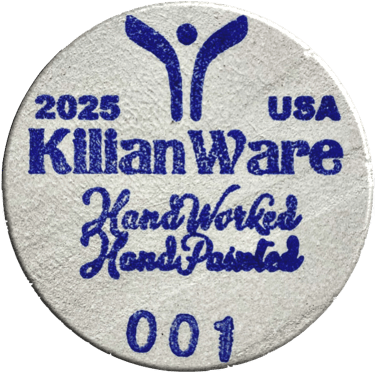
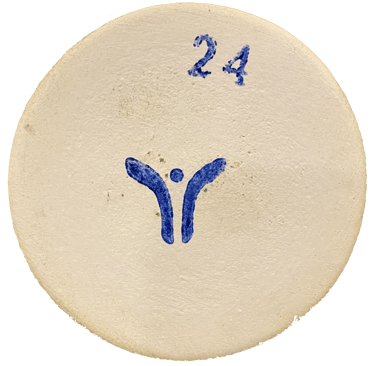
2024
"Spring" logo with two-digit year code, both in cobalt blue underglaze. Found on wares of grey and brown stonewares, cream, and 'frosted' porcelains.
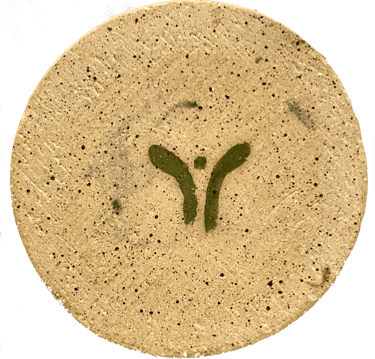
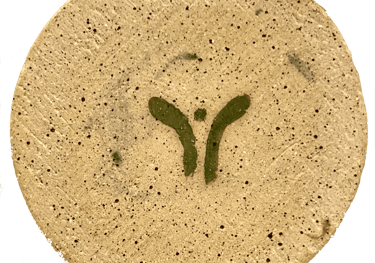
2023 Fall
"Spring" logo isolated from numbering and is in forest green underglaze. Found on wares made with tan, Manganese stoneware.
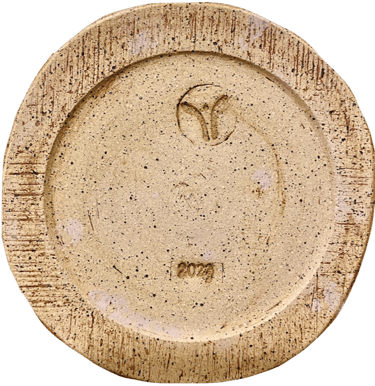
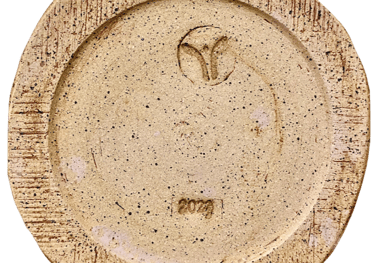
2023 Summer
"Spring" logo enstamped with year enstamped below with four-digits. Found on wares made with tan, Manganese stoneware.
2022
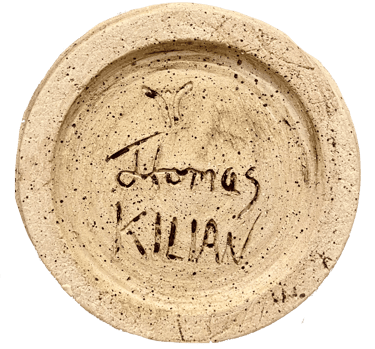
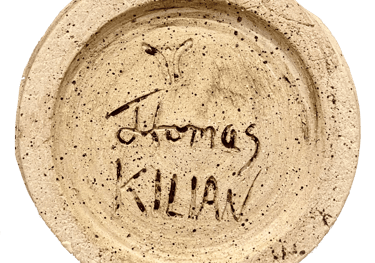
"Spring" logo enstamped with no year present. First and last name are inscribed. Found on wares made with tan, Manganese stoneware.
2015
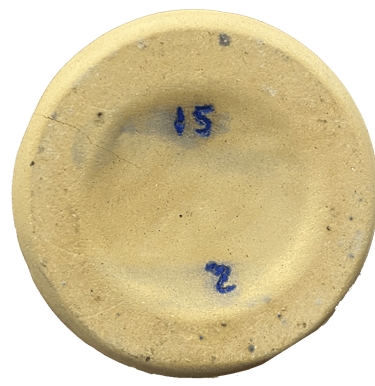
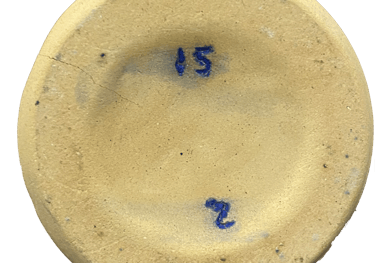
"Spring" logo either enstamped or etched (sometimes both) with year inscribed with a two-digit year code on the right, and the number of the pot thrown that year on the left. Found on wares made with tan, Manganese stoneware. Few were made with mixed clays, earthenwares and stonewares.
2025 - Heritage Collection
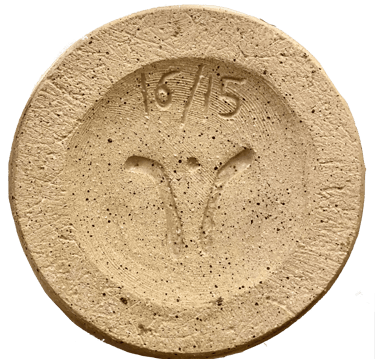
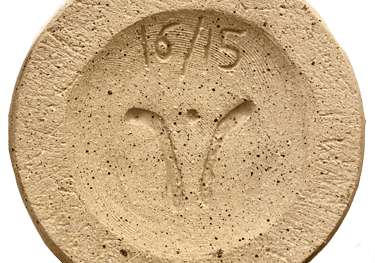
Year inscribed with a two-digit year code, with the number of the pot thrown that year opposite of it. These wares are few. They were made from earthenware clay (Dubar bog clay) hand-dug in Columbia, NC, mixed with a tan stoneware.
2014
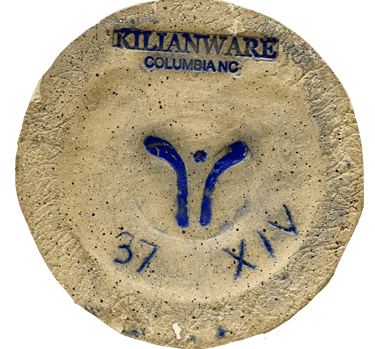
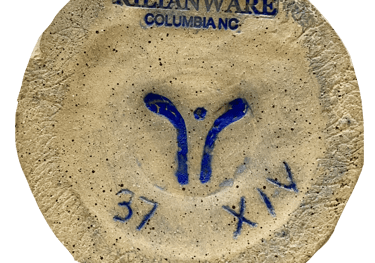
"Spring" logo either enstamped or etched (sometimes both) with year inscribed with a Roman Numeral for the year on the right, and the number of the pot thrown that year on the left.
Many of these pots also received the maker's mark "KILIANWARE COLUMBIA NC" enstamped on the bottom, neck, lower wall, and/or belly of the pot.
Most have the inscriptions and impressed areas filled in with cobalt blue glaze or even with a Manganese-like glaze. Found on wares made with tan, Manganese stoneware. Few were made with mixed clays, earthenwares and stonewares. 2014 was a prolific year for the pottery.
2013
"Spring" logo hand-inscribed. Year inscribed with a two-digit year code on the right, with the number of the pot thrown that year opposite of it. Manganese stoneware. Few were made with mixed clays, earthenwares and stonewares.
2012
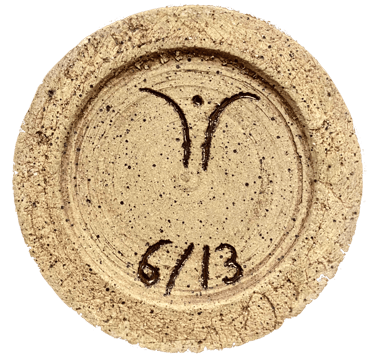
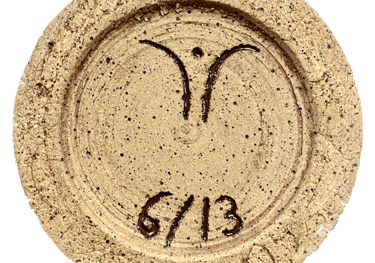
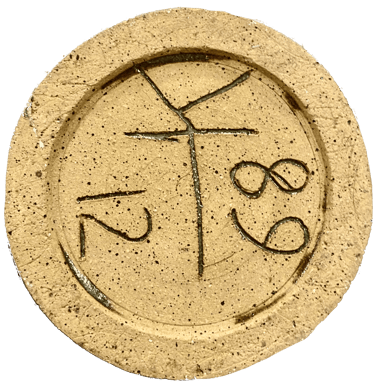
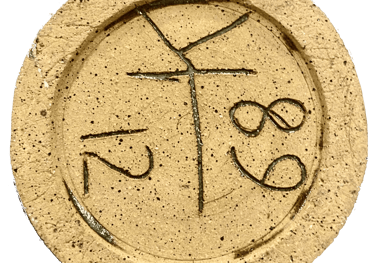
Maker's mark is a ligature of 'T' and 'K', which is hand-inscribed. Year inscribed with a two-digit year code often on the left, with the number of the pot thrown that year on the right. Found on wares made with manganese stoneware.
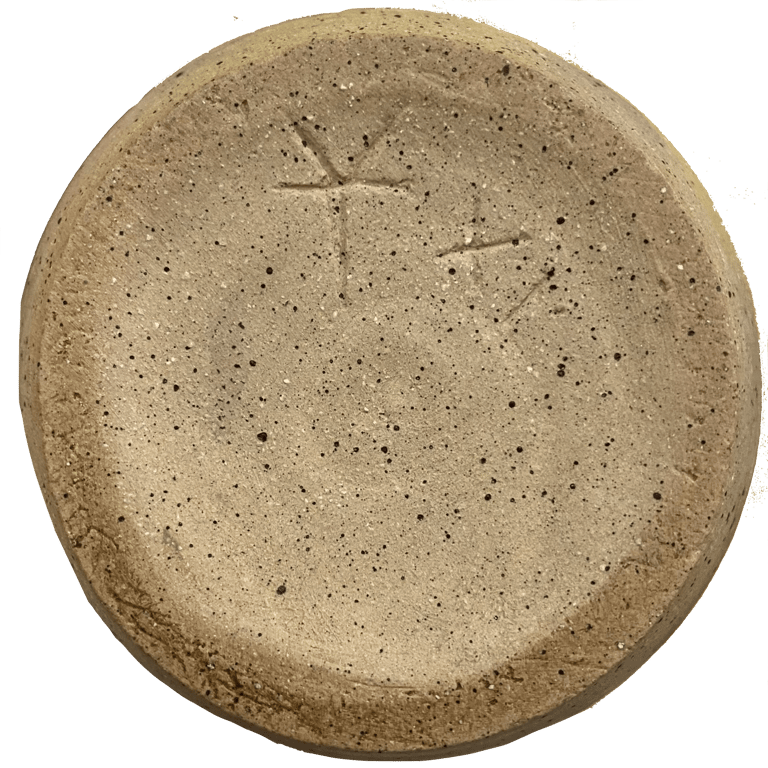
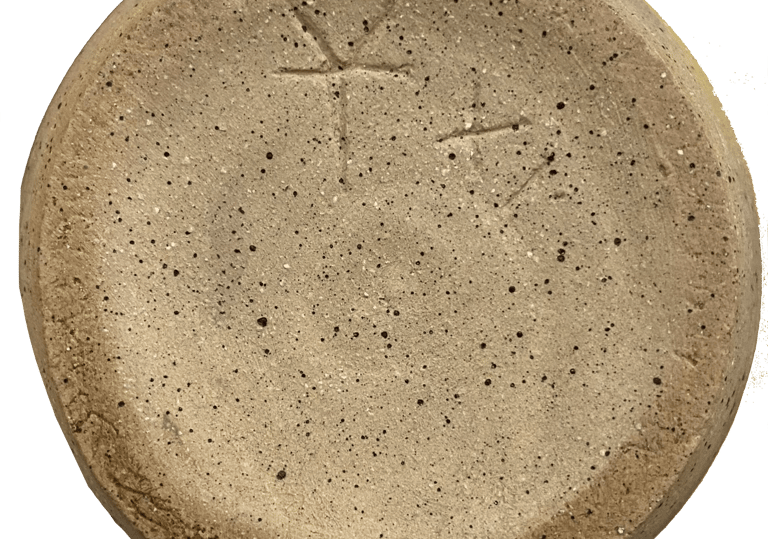
2011
Maker's mark is a ligature of 'T' and 'K', which is hand-inscribed. The year is inscribed with a Roman Numeral for the year on the right. Often wares were not numbered.
2010-2011
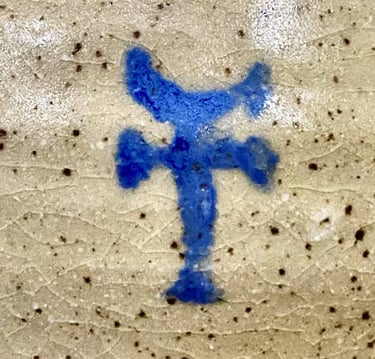
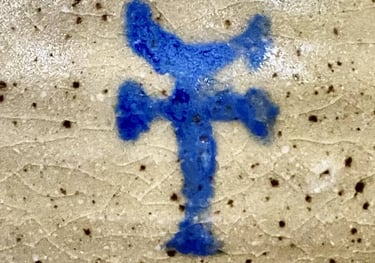
Maker's mark is a ligature of 'T' and 'K', which is hand-painted in cobalt blue glaze. The mark is found on the exterior of the pot towards the bottom or belly of the pot. Year inscribed on the bottom of the pot with a two-digit year code, and sometimes with the number of the pot thrown that year. These wares were made with manganese stoneware. Pottery with this mark are coveted by collectors because of the novelty of the stamp and the wares that bore them. Even more so, these works were the first to be purchased nationally and also represent a transformation of style at the pottery.
2010
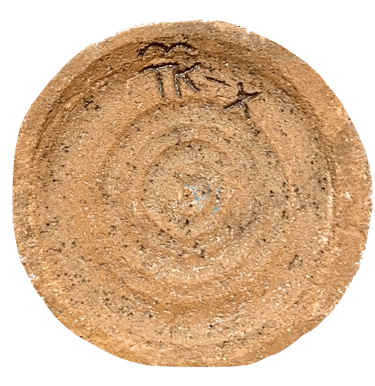
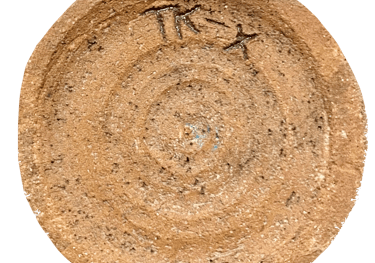
Maker's mark is the initials of 'T' and 'K', for Thomas Kilian which is hand-inscribed. Over the initials, is a small squiggly line with two humps, resembling a seagull. (The first pottery was built just inland from the Manteo, NC.) The year is inscribed with the Roman Numeral of 'X' for the year 2010. These wares were made from earthenware clay (Dubar bog clay) hand-dug in Columbia, NC, mixed with a tan stoneware.
2010
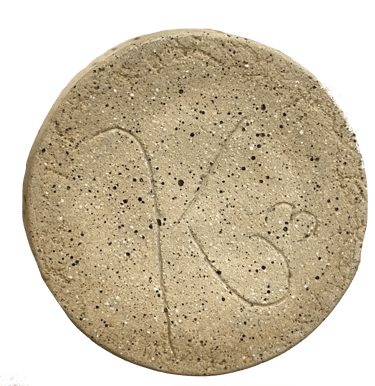
Maker's mark is the initial of 'K' with the number '3" inscribed smaller towards the letter's bottom. This mark is rare and unique. This mark denotes that the ware was commissioned and, in-part designed, by Thomas Kilian's father. The collaboration produced 50 miniature mugs and one table pitcher. These mugs have been found as far away as the Netherlands and East Africa.
2003-2005
As in the years before 2010, pots of 2003-05 received the maker's mark of the initials of 'T' and 'K', for Thomas Kilian which is hand-inscribed (found at the very top of the pot's bottom). Over the initials, is a small squiggly line with two humps, resembling a seagull. (The first pottery was built just inland from the Manteo, NC.) Most pots made during this period had code written in permanent black ink by which the year and number of the pot could be identified by. These wares were made from both stonewares and earthenwares.
2003
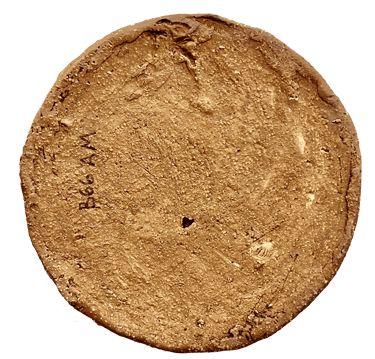
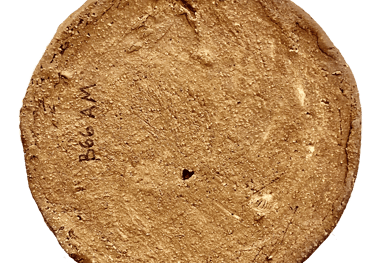
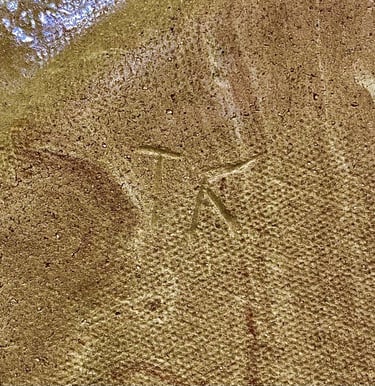
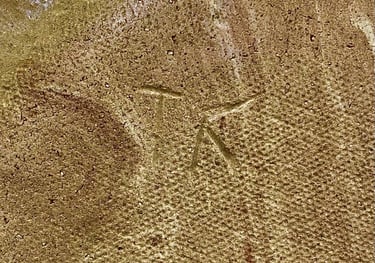
There are very few wares with this maker's mark, of the initials of 'T' and 'K', for Thomas Kilian which is hand-inscribed. These pots were the first pots to ever be crafted. They are largely handbuilt works.
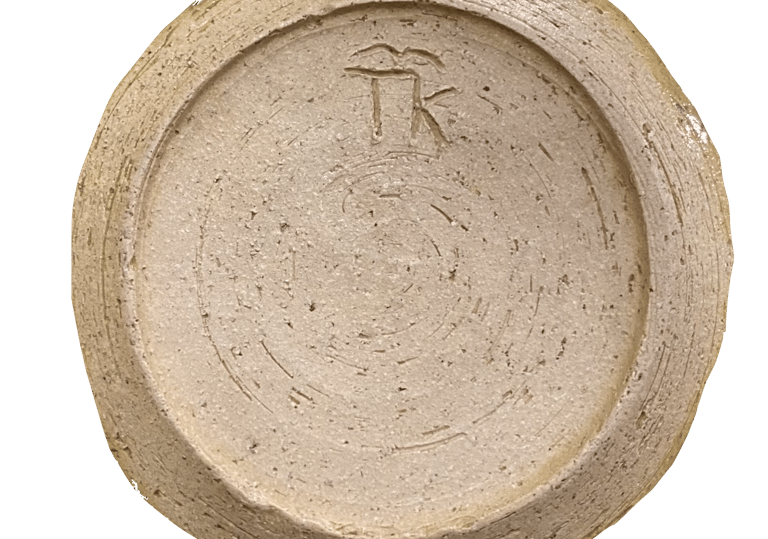
2003-2009
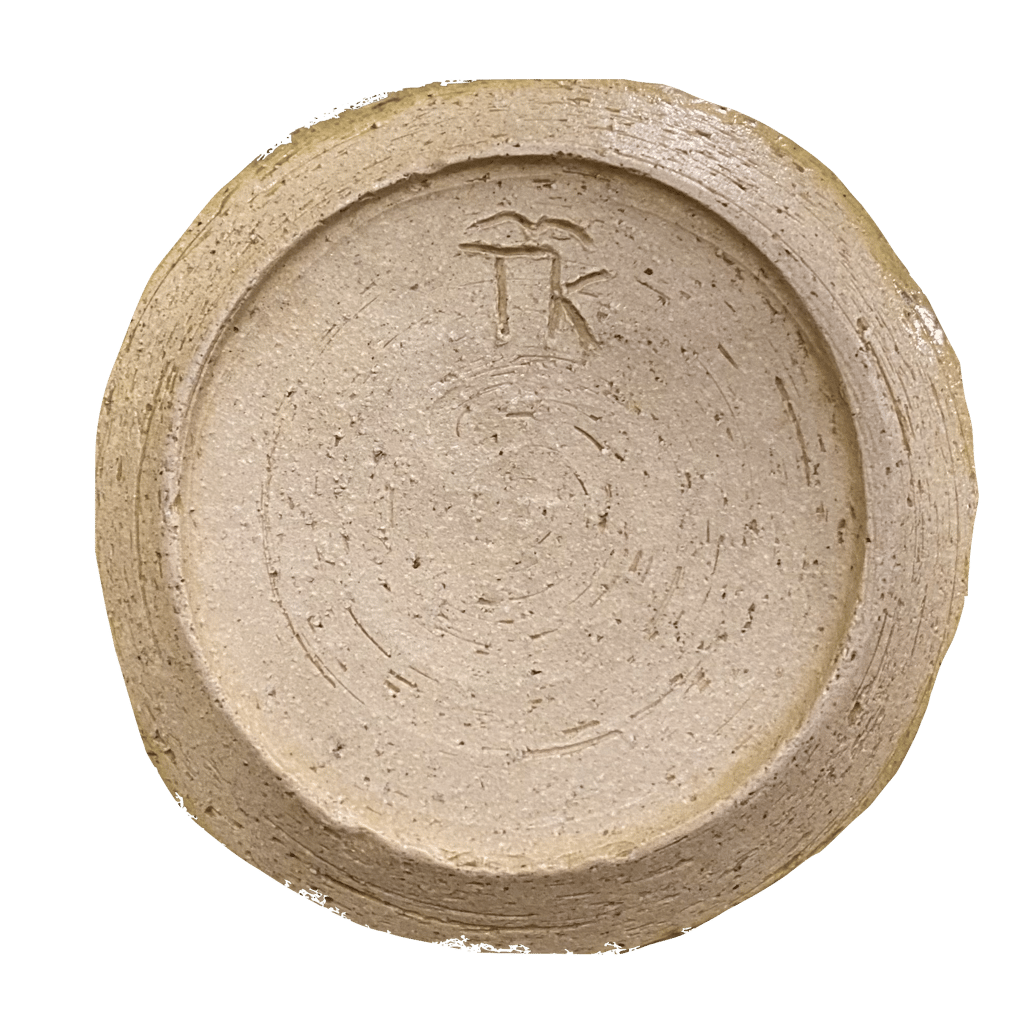
Maker's mark is the initials of 'T' and 'K', for Thomas Kilian which is hand-inscribed. Over the initials, is a small squiggly line with two humps, resembling a seagull. (The first pottery was built just inland from the Manteo, NC.) The year is absent. These wares were made from tan stonewares.
Follow me
Discover more and keep up-to-date at:
Contact
info@kilianware.com
1-434-352-1665
© 2007-2026 Kilian Enterprises LLC. All rights reserved. KilianWare™ Pottery, DBA
Collaborators & Special Thanks














Kilian Enterprises LLC is a firm registered in the Commonwealth of Virginia and with the United States’ S.A.M. and officially compliant with the Federal Acquisition Regulation (FAR)